Friday, 29 November 2019

Mixcloud data breach exposes over 20 million user records

A data breach at Mixcloud, a U.K.-based audio streaming platform, has left more than 20 million user accounts exposed after the data was put on sale on the dark web.

The data breach happened earlier in November, according to a dark web seller who supplied a portion of the data to TechCrunch, allowing us to examine and verify the authenticity of the data.

The data contained usernames, email addresses, and passwords that appear to be scrambled with the SHA-2 algorithm, making the passwords near impossible to unscramble. The data also contained account sign-up dates and the last-login date. It also included the country from which the user signed up, their internet (IP) address, and links to profile photos.

We verified a portion of the data by validating emails against the site’s password reset feature.

The exact amount of data stolen isn’t known. The seller said there were 20 million records, but listed 21 million records on the dark web. But the data we sampled suggested there may have been as many as 22 million records.

The data was listed for sale for $4,000, or about 0.5 bitcoin. We’re not linking to the dark web listing.

Mixcloud last year secured a $11.5 million cash injection from media investment firm WndrCo, led by Hollywood media proprietor Jeffrey Katzenberg.

It’s the latest in a string of high profile data breaches in recent months. The breached data came from the same dark web seller who also alerted TechCrunch to the StockX breach earlier this year. The apparel trading company initially claimed its customer-wide password reset was for “system updates,” but later came clean, admitting it was hacked, exposing more than four million records, after TechCrunch obtained a portion of the breached data.

An email to Mixcloud’s press mailbox bounced, and its last listed public relations agency told TechCrunch it no longer represents the company.

As a London-based company, Mixcloud falls under U.K. and European data protection rules. Companies can be fined up to 4% of their annual turnover for violations of European GDPR rules.

Read more:


from TechCrunch https://ift.tt/33yWl10

Gift Guide: For the budding video creator

If you’re interested in cameras and taking pictures, you should definitely check out our 2019 Photography Gift Guide, but if you’re specifically looking to encourage a developing creator who wants to work with video on their preferred platform of choice, be it YouTube, TikTok, Instagram or any other, you’ve come to the right place. From smartphone accessories to get the most out of their built-in cameras, to stuff for people with more expensive dedicated camera setups, we’ve got it all.

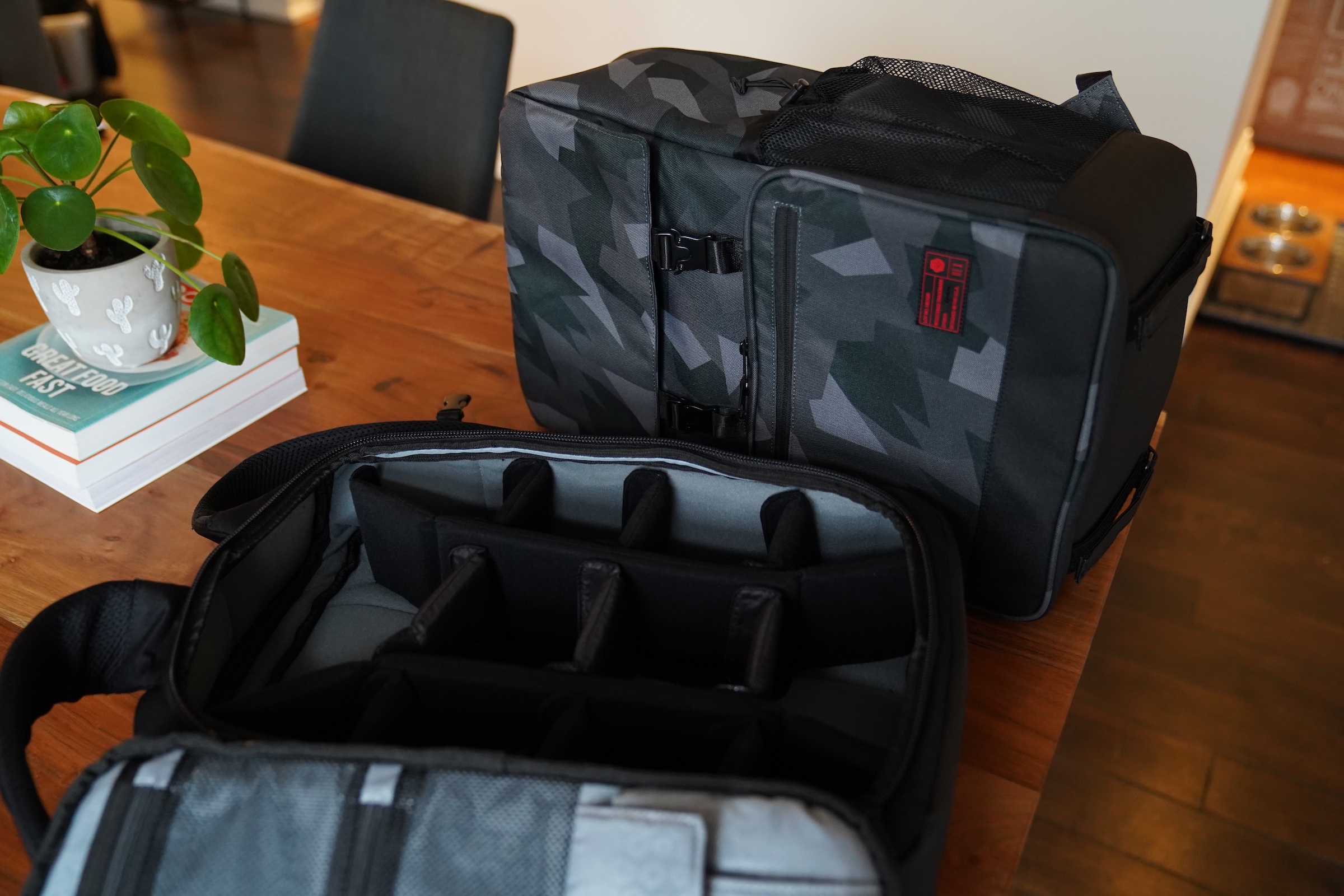
Hex Bags camera backpacks – $190-$240

A good camera bag is a necessary accessory for anyone who is shooting with something other than their phone, and the Hex Back Loader DSLR Backpack and Hex Cinema Backpack are great options that are actually less expensive than some of the bigger brand options out there, but with modern styling that means they look less like something designed for function alone, and more like a backpack that would actually draw compliments. The Back Loader is perfect for a mirrorless kit, and should easily slide under the seat in front of you on an airplane, while the Cinema has plenty of room for larger DSLRs and lenses.

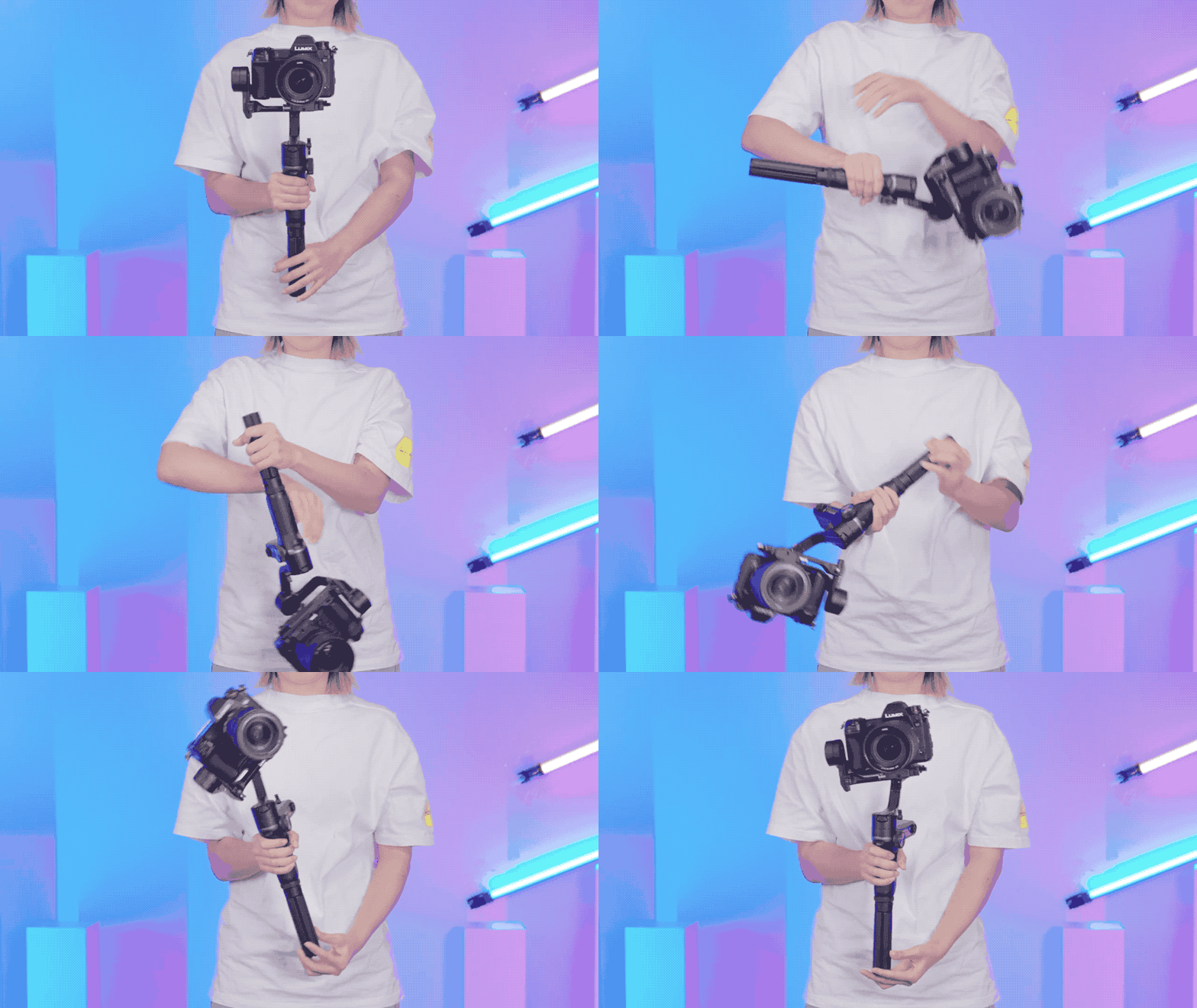
Zhiyun Weebil-S gimbal – $350

A good gimbal is a creator’s best friend, since stabilized video footage beats shaky-cam nonsense. The Zhiyun Weebill-S is a new offering from the company that basically provides the perfect blend of size, power, connectivity and control features and more. Its unique design has real advantages in the field vs. other similar gimbals, and it’s not going to break the bank, either.

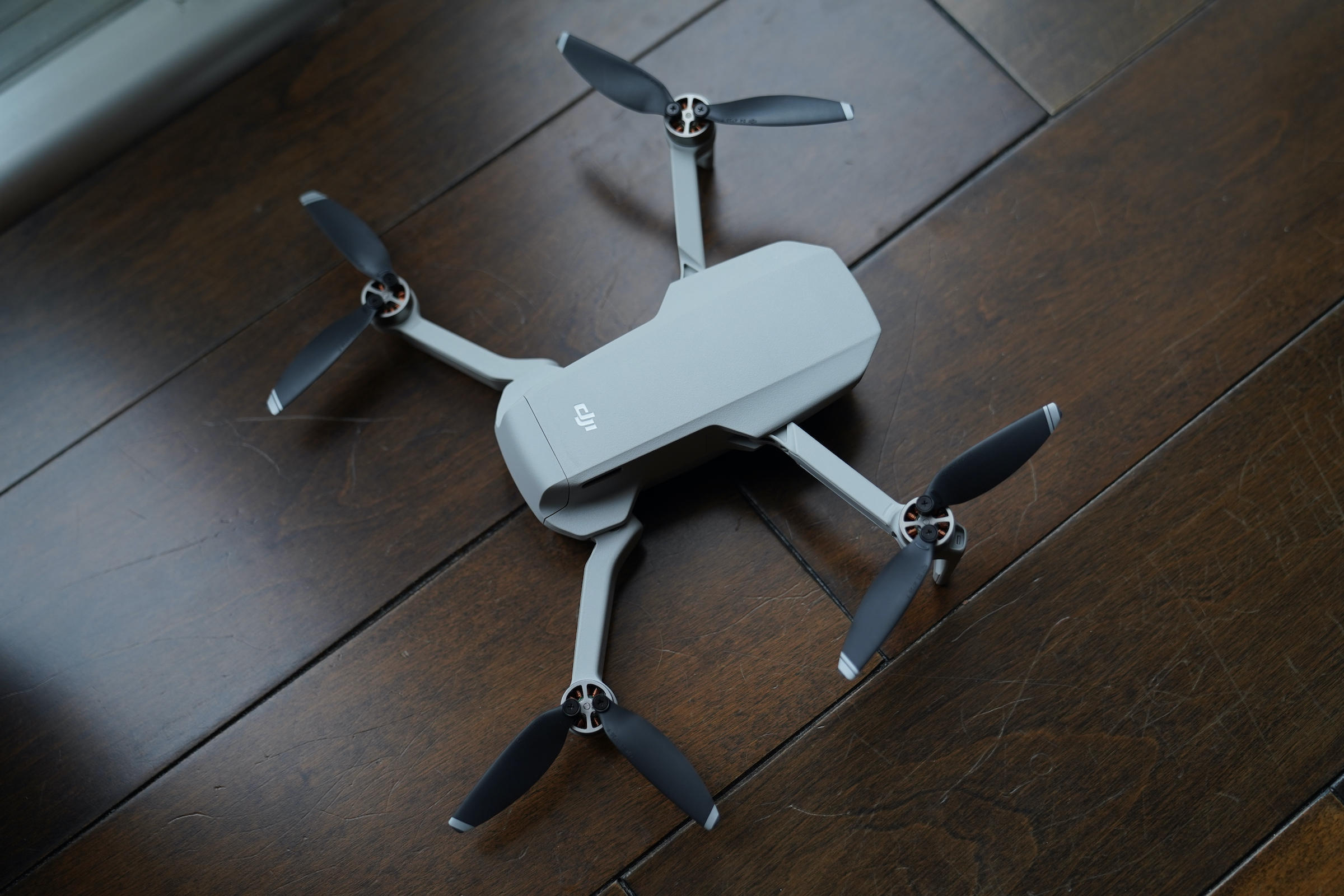
Mavic Mini – $350

Mavic’s latest drone is all about distilling the consumer drone down to the basics – and it’s great. The $350 Mavic Mini is way, way cheaper than any of their fancier consumer drones, and it offers really excellent 2.7K video that looks cinematic right out of the camera. For anyone publishing on social channels who aren’t concerned about producing 4K content (no one really should be prioritizing that, really), this is the one to get, since it’s small enough it doesn’t need to be registered with the FAA to fly.

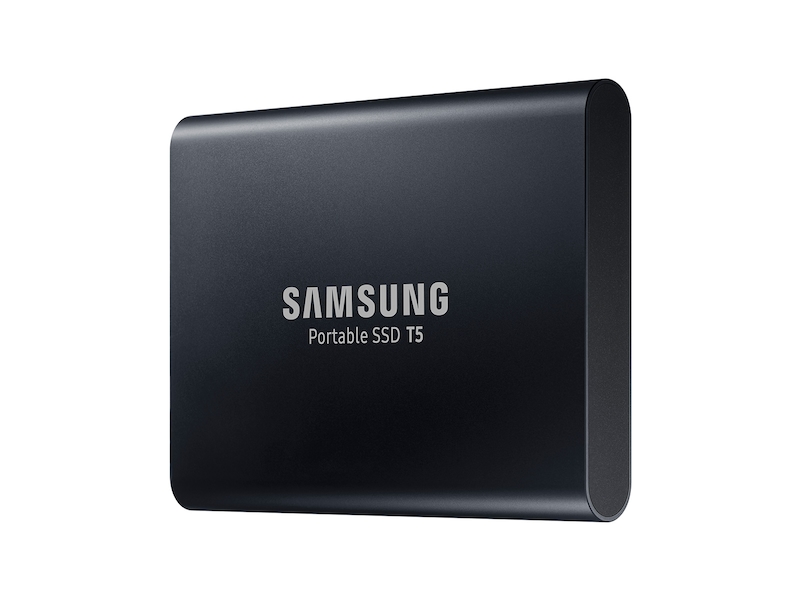
Samsung T5 – $100-$400

Samsung’s tiny, portable SSDs have a long history of delivering great reliability and performance in a form factor that’s so portable it’s easily pocketable. The drives come in sizes ranging from 500GB to 2TB, and you should be able to find them on sale in at least one of these configurations going into the holiday season, which means that you can probably find them for even less than that cost range posted above. A good SSD is a must for offloading video captured in camera on SD cards, and some of the newer cameras will let you record directly to these drives via USB-C.

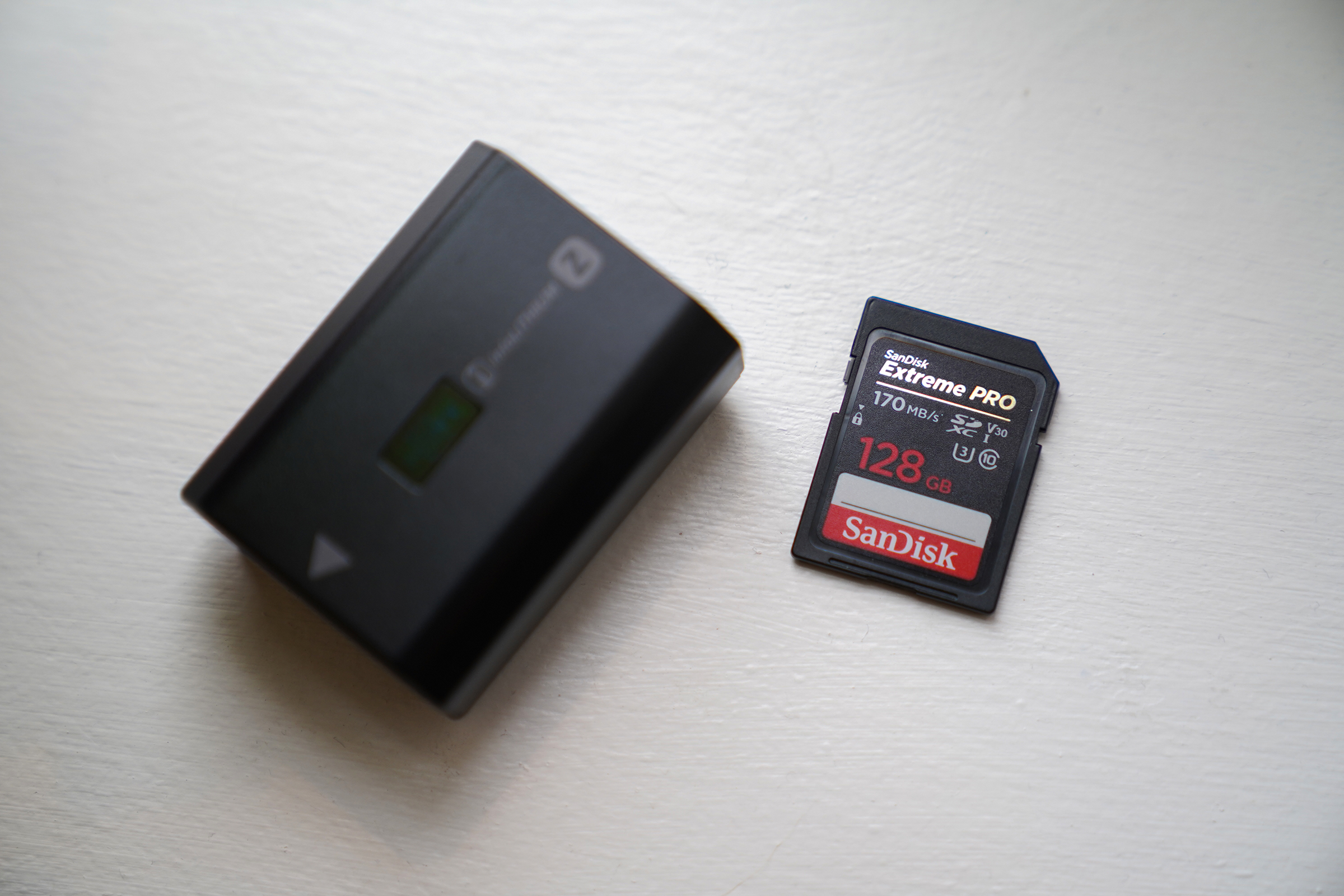
Backup batteries and SD cards – Starting at around $40

These are easy gifts to get video creatives, which never go out of style and which will always be appreciated. You can never have enough spare memory cards, or enough backup batteries. Just make sure you get the right ones for whatever camera system your giftee is using: And for memory, focus on cards like the SanDisk Extreme Pro with 170MB/S  transfer speeds to ensure good performance with 4K video capture.

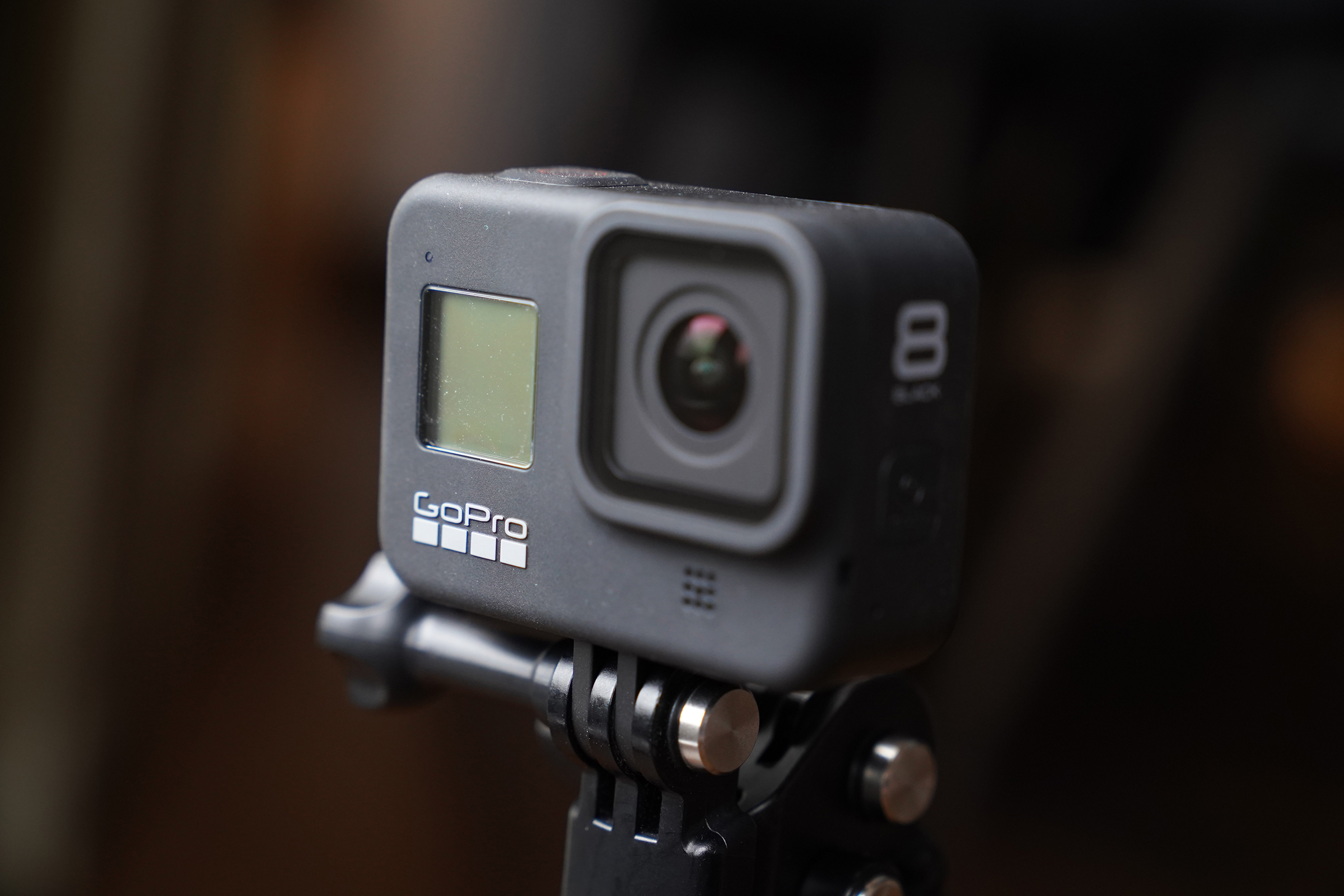
GoPro Hero8 – $400

A GoPro is an extremely versatile piece of kit for a video creator. The ruggedness, portability, built-in stabilization and range of modes mean you can capture some amazing additional footage to compliment stuff you’re recording on your primary camera – or give you everything you need to capture a great travel vlog in the moment. The newest GoPro Hero8 has features including more advanced stabilization, compatibility with additional video accessories, digital lenses and more tat make it the best camera the company has ever made for creators.

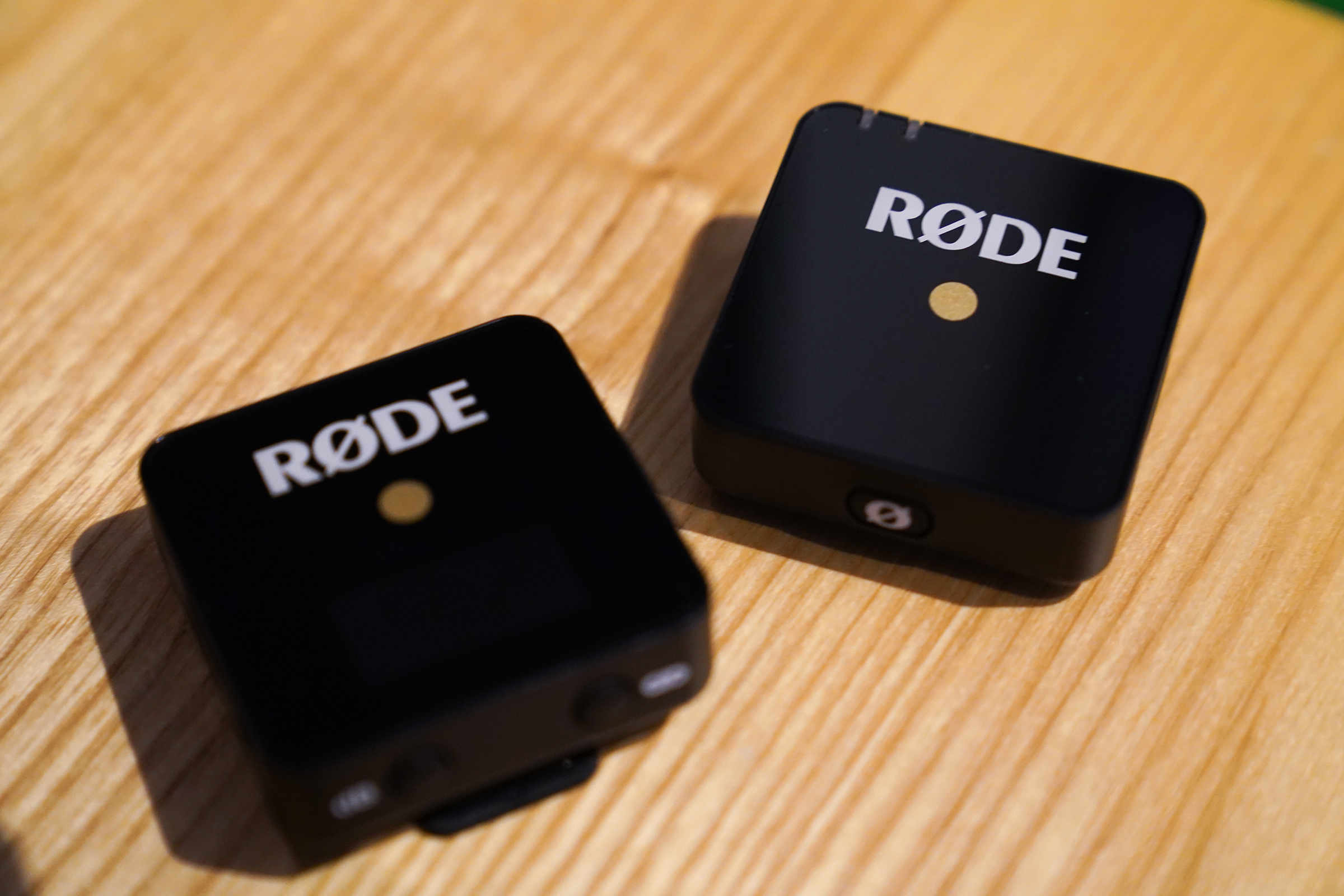
Microphones – $25-$200

A good microphone is a necessity for making good videos, and there are a wide range of options available. To give you just a few options at very different price points, look at the Saramonic SR-XM1. It’s a generally not sold for more than $35, and is dead simple with a 3.5mm connector to plug directly into the camera port on a wide range of devices. Saramonic also makes iPhone mics with lightning connectors for similar prices. Then, at $200, the Rode Wireless Go is more expensive – but still a bargain for a totally wireless microphone system that can provide audio directly to your camera. Pair it with an optional lavalier mic and you’re going to get great results.


from TechCrunch https://ift.tt/2OwOEE2

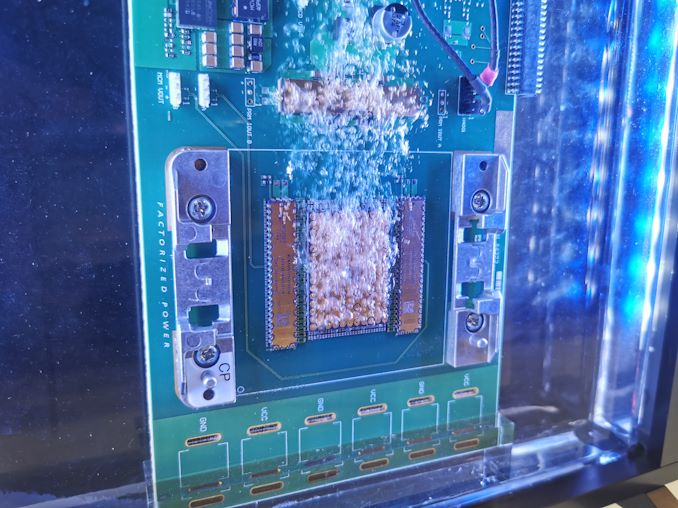
Two Phase Immersion Liquid Cooling at Supercomputing 2019

It would now appear we are saturated with two phase immersion liquid cooling (2PILC) – pun intended. One common element from the annual Supercomputing trade show, as well as the odd system at Computex and Mobile World Congress, is the push from some parts of the industry towards fully immersed systems in order to drive cooling. Last year at SC19 we saw a large number of systems featuring this technology – this year the presence was limited to a few key deployments.


from AnandTech https://ift.tt/2OBjJXv
via gqrds

Intel says Qualcomm’s business practices drove it out of the modem chip market

It’s not like this wasn’t among the reasons everywhere suspected when Apple suddenly announced it was buying Intel’s modem business, but now the chipmaker has filed a brief in support of the FTC in an ongoing appeal by Qualcomm of a decision made in May. That decision found in favor of the FTC’s allegations that Qualcomm’s licensing arrangements for its IP around CDMA and LTE technologies have choked out other potential competitors.

Intel, in the filing and a new blog post accompanying and explaining the filing from Intel EVP and General Counsel Steven R. Rodgers, says that “Intel suffered the brunt of Qualcomm’s anticompetitive behaviour, was denied opportunities in the modem market, was prevented from making sales to customers and was forced to sell at prices artificially skewed by Qualcomm.” It also specifically notes that it counts itself among the list of “competitors [Qualcomm] forced out of the modem chip market.”

Earlier this year, Apple and Qualcomm agreed to drop ongoing lawsuits the two sometime-partners had filed agains one another, settling a feud in the courts that had started back in 2017 when Apple accused Qualcomm of overcharging it for use of Qualcomm’s patents. The settlement included Apple paying Qualcomm sone-time sum, and the establishment of a six-year licensing agreement, as well as a supply agreement for Qualcomm chipsets to be used in Apple products.

At the same time, Intel announced it was exiting the modem business – an announcement that seemed timely, given that Apple has sought to use Intel modems in recent iPhones to bypass Qualcomm, which is an industry leader when it comes to the supply of wireless communication chips used in smartphones. Then in July, Apple announced that it was acquiring the majority of Intel’s smartphone business, which led many to speculate that eventually Apple will seek to develop its own wireless communication chips in-house in a longer-term play to reduce its reliance on Qualcomm.

Intel clearly isn’t content to just let the situation lie, and since its blog post notes that it has invested “billions” in the modem business it built and then sold to Apple, you get a clear idea of why – definitely sounds like it didn’t recoup all of its sunk costs in the Apple deal, which was worth around $1 billion all told.


from TechCrunch https://ift.tt/2OXglFi

Panasonic to Sell Semiconductor Business to Nuvoton

Panasonic has announced plans to almost completely withdraw from semiconductor business and sell all of its related assets to Taiwan-based Nuvoton Technology, a wholly owned subsidiary of Winbond Electronics. Under the terms of the deal, Nuvoton will get Panasonic’s semiconductor manufacturing assets, chip & product development units, contracts, and sales assets for about $250 million. Following the transaction, the only semiconductor-related property that Panasonic will have will be its 20% stake in Socionext.

Panasonic started its semiconductor business back in 1957 and was once a leading designer and maker of chips. As competition in the industry intensified early this decade, the company adopted an asset light strategy and started to gradually withdraw from both the development and manufacturing of semiconductors. In 2014, it sold a 51% stake in its chip manufacturing assets (consisting of one 300-mm and two 200-mm fabs) to TowerJazz, then Panasonic sold off its assembly/test facilities to UTAC. Finally, the company outsourced production of advanced SoCs to Intel Custom Foundry, which symbolized their withdrawal from development of leading-edge process technologies.

It did not take long for the company to realize that the design of complex SoCs was getting too expensive, which is why in March of 2015 it transferred its SoC development assets to Socionext, a joint venture between the Development Bank of Japan, Fujitsu, and Panasonic. Recently, Panasonic sold its diode and transistor business to Rohm Semiconductor. All told, Panasonic's chip business has been on a downward spiral for quite a while now.

By contrast, Nuvoton, which was established in 2008 by Winbond to produce microcontrollers, power management ICs, and other similar devices, has been quite a success. It has numerous clients and it looks like its 200-mm fab is not enough for the company. Under the terms of the agreement with Panasonic and TowerJazz, through acquisition of Panasonic Semiconductor Solutions Co. (PSCS) it will get all three Japanese fabs which originally belonged to Panasonic. Meanwhile, the sum that Nuvoton will pay to TowerJass is unknown.

Furthermore, Nuvoton will get Panasonic’s business and R&D operations related to power-management ICs, sensors (for smartphones, vehicles, and various types of cameras) and other types of products by taking over Panasonic Industrial Devices Systems & Technology (PIDST), Panasonic Industrial Devices Engineering (PIDE), and Panasonic Semiconductor Suzhou (PSCSZ) companies.

As a result of the business transaction, Nuvoton will own four semiconductor manufacturing facilities: one 300-mm fab and three 200-mm fabs. Moreover, it will get a rich portfolio of products, customers, and contracts. However it will also be inheriting the debts of the aforementioned companies. Ultimately this will allow Panasonic to exit the semiconductor business, improving its own financial position.

Related Reading:

Sources: Panasonic, Nuvoton. Taipei Times, Reuters


from AnandTech https://ift.tt/33sF09L
via gqrds